

Did You Know?
Did You Know? Venezuela holds some of the largest oil reserves in the world. In 2023, the United States imported more than 48.5 million barrels of Venezuelan oil, making up about 23% of Venezuela’s total crude oil exports that year. Oil plays a key role in global energy markets, and many energy professionals think Venezuela’s output could influence U.S. energy plans. Analysts note, however, that experts still disagree on how much Venezuela’s oil can change the U.S. energy market.
We will discuss the current status of Venezuelan Oil Production and Supply. Also, we will examine issues such as how these will ultimately affect the direction of the U.S. energy industry.
What is being Discussed Related to Venezuelan oil?
Venezuelan oil is primarily in the larger Orinoco region, where the vast majority of oil produces historically at high volumes, and oil production has dramatically declined since 2020. Estimates show that through the end of 2025, the total amount of oil production in Venezuela will be approximately 1 million barrels per day.
Approximately sixty-eight percent (68%) of Venezuelan Heavy Oil was exported to China, and twenty-three percent (23%) of Venezuelan Heavy Oil was exported to the United States.
It is also important to note that Venezuelan Crude Oil is lower-quality oil in comparison to other sources; therefore, it refines more easily and economically. However, the lower quality creates challenges for many refineries that cannot quickly adapt to process Venezuelan Heavy Oil.
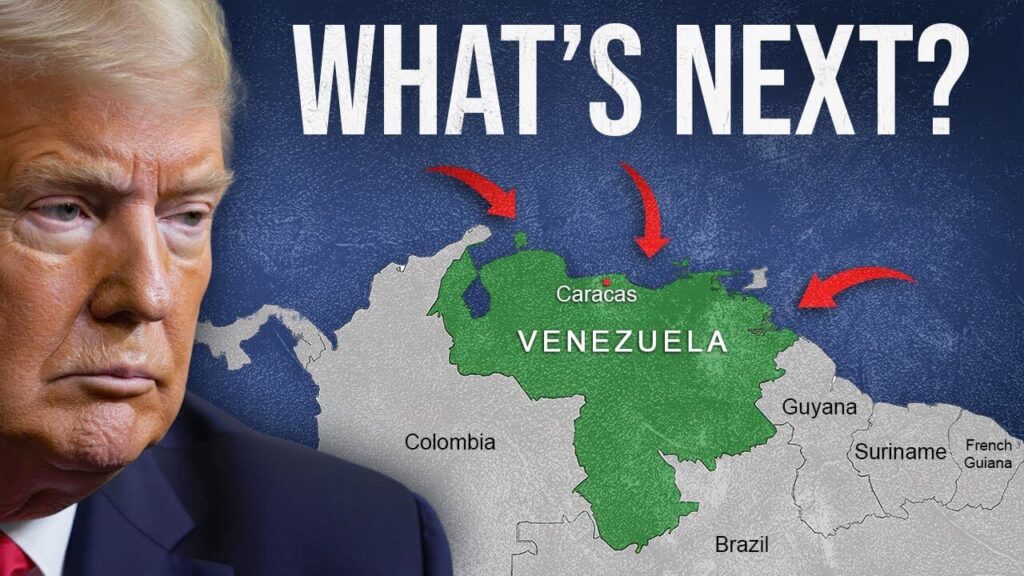
Why the U.S. Pays Attention
Energy security is a primary concern for U.S. government interests when determining which nations to track. The U.S. keeps a close eye on oil-rich nations, as price spikes can occur rapidly when there is a disruption in the availability of products.
Venezuela has an abundance of oil reserves and could provide an alternative supply source for the U.S. Furthermore, having an alternate supply may lessen the strain on other oil-producing countries, thus helping to stabilize prices.
Production from Venezuela will take time to ramp up. Venezuela does not currently have the capability to supply large quantities of oil quickly because of the lack of required capital investment to rehabilitate the country’s oil and gas infrastructure. Until significant capital investments are made, Venezuela will not be capable of producing/transporting large quantities of oil in relatively short time frames.
Strategic Moves
Still, U.S. energy companies, including Chevron, have begun to secure participation agreements (licenses) to work in Venezuela to gain access to Venezuela’s oil production. This fact leads many industry experts to believe that the U.S. government is planning to increase its involvement in Venezuela’s oil production efforts. However, the U.S. government has made it known that it is not presently relying on Venezuelan oil supplies as a source for its emergency oil stockpiles.
Will Increased Production Create Lower Gas Prices for the United States?
There are numerous thoughts that an additional oil supply will decrease the price at the pump. While this sounds plausible, today’s oil market is global, and an increased supply from one nation may have little effect on an entire region of the world if there is already an abundant oil supply available. One analysis speculated that increasing Venezuelan oil supply would not effect U.S. energy costs in the short term.
On a more personal note, when consumers experience large increases in the price of gasoline, they feel hurt. Many consumers will blame government leaders or policies even if they had no part in establishing these economies.
Fear and Lack of Certainty
When energy prices unexpectedly rise, humans feel a high level of external pressure. Because of this type of fear, people will support any policy option that appears to provide them with a way to attain stability.
As an example, if a consumer hears that a country has just signed an oil supply agreement with another country, they may feel anxious. This anxiety may cause the consumer to want the United States to be able to produce all of its own energy and not rely on foreign supplies, even though these contracts may be beneficial for them.
Behavioural research shows that when it comes to human behaviour, the reaction to fear of loss is much greater than the reaction to hope of gain. Therefore, negative news regarding excess production will affect public sentiment more than positive news regarding new production.
Effects In Conclusion
Oil production from a natural source should remain minimal in the next few years. Significant resources, time, and investments will be required in order to restore and upgrade oil fields and pipelines within Venezuela.
Exported Venezuelan crude oil to the U.S. is only a fraction of what it was before Western oil sanctions against Venezuela. Although between 1996 and 2001 U.S. imports of Venezuelan crude oil rose to a peak of over six hundred thousand barrels per day, by 2021, U.S. imports from Venezuela totalled only about one hundred thirty-five thousand barrels per day.
Today’s exports from Venezuela do not dominate U.S. supply since most of the crude oil used in the U.S. still comes from Canada or domestic sources.

Long-Term Oil Supply Potential
In the longer term, Venezuelan crude could account for a more substantial percentage of the U.S. oil supply if Venezuelan crude production numbers drastically increase due to massive investments or policy changes. If U.S. refineries evolve into the ability to refine heavier oil and if oil producers in Venezuela rapidly increase oil supplies to the U.S., the United States would be able to increase total oil absorbed. This would decrease the U.S. dependence on other sources of foreign crude oil. However, even if production levels increase to double the quantities, the moderate U.S. crude supply impact would remain unless global oil market prices shift or climate change policy changes occur.
Read more: Flood Emergency in Pakistan: 2025
Environmental and Global Goals
The environment and global ambitions of energy policies are linked to climate policies. The burning of fossil fuels generates carbon dioxide emissions, whereby some analysts have cautioned that the harvesting of all of Venezuela’s oil could exhaust a large fraction of the remaining carbon budget needed to stave off warming. The potential for negative effects on the climate in future generations may be enough for many people to resist more extensive utilization of fossil fuels. Psychosocial factors are an important aspect of the development of public policy.
Economic Considerations
Money and expertise are necessary for large oil projects. Venezuela has an old and outdated oil-producing infrastructure that will require billions of dollars to upgrade. Although U.S. companies might invest in the oil industry in Venezuela, there is no guarantee that they will earn an acceptable return. The market may change. Globalization of the renewable energy marketplace will eventually lead to less demand for crude oil over time.
Regardless of the trend toward renewable energy, crude oil is still a significant source of global energy today. Therefore, decision-making will still consider economics and technology, as these factors impact current energy choices.
Read more: Abu Obeida: The Unsung Hero of Gaza
The Global Puzzle
There is a complex network of relationships between oil-producing countries and oil-consuming nations. Therefore, the oil industry is interconnected, and fluctuations in the supply and demand for Venezuelan oil will have far-reaching consequences throughout many different markets.
For instance, if U.S. imports of Venezuelan oil increase, China will likely pursue other available sources of oil. When a country decides to utilize fossil fuels produced in another country, the quality of its diplomatic relationship often plays a role in the decision-making process.
Final Thoughts
The potential of Venezuela’s oil reserves is massive, as they can play a significant role in changing global energy flows due to their sheer size.
Currently, Venezuelan oil production remains very low due to technical difficulties associated with increasing production and lengthy turnaround times on repairs. As a result, the immediate impact of Venezuelan oil on U.S. energy policies is likely to be limited.
However, if the political environment in Venezuela stabilizes and investors return, Venezuelan oil will likely play a more prominent role in U.S. energy strategy. There is no guarantee this will lead to lower prices or energy independence for the United States, but it will at least expand options available to the United States with regard to energy sources.
If the global landscape for energy continues to shift away from the traditional methods of energy production, Venezuela will become increasingly important to monitor in the future. The impact of Venezuelan oil on U.S. energy policy will not stand alone, but it will be an important part of the overall discussion about energy.



Leave a Reply