
Did you know?
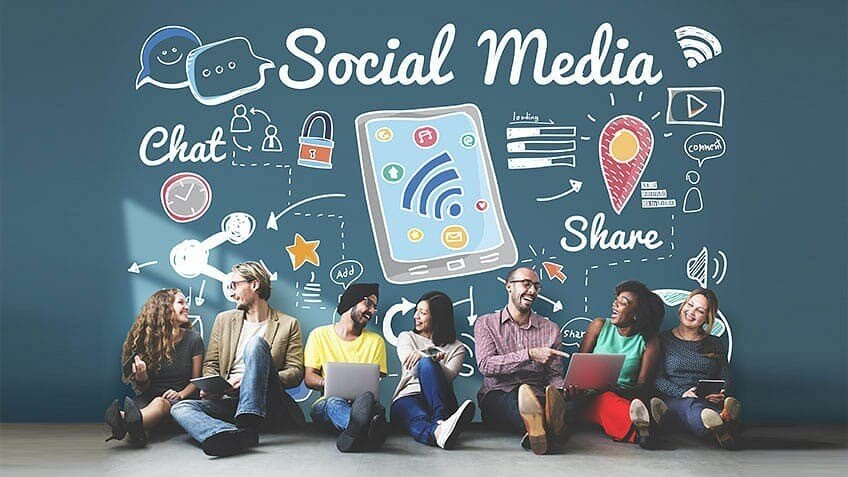
The average user spends more than two hours per day on social media. With over 60% of users accessing their accounts multiple times per day, social media has a significant effect on how we interact today; it is evolving how we behave online and ultimately impacting our thoughts, feelings, and relationships with one another in the future.
Social Media Now
Social media incorporates all types of platforms that allow people to communicate with one another and share information across a variety of content mediums. These platforms facilitate instant communication between everyone in the world, making it easier and quicker to communicate. As a result, people often interact with each other in a different way than they would with someone in person (face-to-face). For this reason, the frequency of human management has increased.
Impact of Social Media on Human Interaction
Human interaction has shifted from person-to-person interactions to digital-based interactions; that is, where you can read comments or send messages instead of engaging in a traditional form of person-to-person conversation. Hence, while digital communications may not seem as personal, they are certainly much more frequent and numerous compared to traditional forms of communication. As a result of these changes, both the quality and quantity of the ways in which we interact as individuals have changed.
Understanding the Psychology of Online Communication
The field of psychology sheds light on the unique behaviours people display when communicating online, versus communicating in a face-to-face manner.
People are more likely to divulge personal information about themselves online due to the lack of social constraints that are associated with traditional “offline” interactions. This phenomenon refers to as “online disinhibition” and can lead to a sense of magnified emotion in an individual’s posts and comments.
Social Validation and Social Media
The desire for social validation is a basic component of our human nature. Social Media provides instant gratification when it comes to social validation through the use of “likes” and comments. Therefore, we tend to post on Social Media to get feedback on our posts. According to the field of psychology, social validation is linked to the release of dopamine, the chemical responsible for pleasure, in the brain. Therefore, individuals feel pleasure when they receive engagement through their Social Media posts.
Social Media Statistics
There are currently over 4 billion active users of social media globally. Studies indicate that approximately 80% of social media users report feeling anxious without access to their mobile phone. Studies show that teenagers typically check their social media accounts more than 10 times a day. Therefore, the majority of an individual’s social interactions occur through the use of social media.
Human Behaviour and Social Media
Human behaviour is adjusted to reflect the digital landscape at an incredibly fast rate. For this reason, people have developed different tones, languages, and personal identities when communicating online, as opposed to face-to-face. For this reason, there are patterns of social behaviour that psychologists study in relation to Social Media. Social Learning theory explains how we learn from others through our interactions online.

How To Focus on What’s Important
The battle for your attention by social media has never been greater, as interruptions from notifications continue to interrupt your focus, thus reducing the amount of time you have available to focus. Reducing the potential length of time your attention is available also leads to a reduction in your concentration. Distractions in your environment will decrease your ability to perform as well as to think deeply about a subject. The result will be fewer words spoken in each piece of communication.
Where the Feeling Comes From When You Are Online
People typically express their emotional state through text and emoji rather than through facial expression. As a result, there may be times when the recipient feels their message has been misinterpreted. Psychology teaches us that in order to successfully understand how someone else is feeling, their emotional state must be put into the proper context. People are not able to convey and share their feelings through nonverbal means in a digital interaction, which means their feelings are not conveyed with emotional depth in the digital world. The fact that feelings are expressed in a digital form will result in censorship, or more commonly, the lack of an emotional response from the sender.
How People Interact with Others Using Technology
The algorithms created to govern what content reaches a person’s computer screen decide what content is shown to the user. Algorithms are based on the engagement level of the message. This means that the more engaged you are, the more likely your message will be seen by the user by virtue of the usage of emotion. Whereas psychology teaches us that emotions that are based on anger and excitement increase the likelihood that the user will share the message.
Social comparison and self-image
Online users compare themselves to others. Social media portrays a perfect lifestyle. Your self-esteem can drop when you do this. This is called an upward social comparison, according to psychology. Constantly comparing yourself can negatively impact your mental health.
Psychological aspects of like and share
A like is a positive reinforcement and recognition. When you share something, it indicates approval and community. Due to this, users will keep searching for the same experience over and over again. According to behavioral psychology, when you have a positive reinforcement, it causes you to want to do it repeatedly. This creates a cycle of continual usage.
The fear of missing out
The fear of missing out affects many users. Social media updates inform others about an event or accomplishment. As a result, users feel like they are missing out or don’t belong. According to psychology, FOMO is related to anxiety. As a result, checking social media frequently has become a coping mechanism.
Online Communication and Connections
Digital communication is now part of the relationship-building process, with people creating and maintaining friendships via messages. This allows people to keep in touch even when they are physically far apart. However, because of this type of relationship, there is an increased chance of misunderstandings. The way we perceive tone when we communicate with others will heavily influence our ability to interact with one another.
Online Communities and Group Dynamics
Online, people who belong to our online communities strongly influence us. People will often adopt the behavior and/or beliefs of others in their online communities, which is why a trend or opinion can go viral so quickly. Psychology describes this as social conformity, which describes how our desire for a sense of belonging drives our decision-making processes.
Read more: Psychology of Habits: How They Control Life
The Influence of Social Media on Your Mental Health
Social media has a huge impact on mental health; it can create feelings of anxiety and/or stress when used excessively. It is important to find a healthy balance of both using and not using social media because of this. Psychology highlights the three types of healthy digital media habits that can help maintain your mental wellness: regular usage, limited usage, and healthy/healthy habits. By being aware of how we use social media, we can connect with others while avoiding and/or reducing the negative impact that using social media will have on our mental wellness.
Digital Empathy and Emotional Intelligence
Empathy feels different digitally than it does in person. Our understanding and awareness of what we are feeling and how to appropriately communicate that feeling to others will change depending on the type of media we are using. Research shows that empathy requires feedback from the person with whom we interact. Digital environments create challenges to forming emotional connections with others.
Impacts of social media on human communication abilities:
Due to the extensive use of texting, individuals have shifted to using abbreviated text messages. Thus, the ability to communicate verbally with someone directly may have diminished. The development of a person’s communicative ability is based on the practice of the skill; therefore, as fewer people practice verbal communication due to texting and other digital means, fewer people can develop these communication skills.
Psychology influences how platforms are developed:
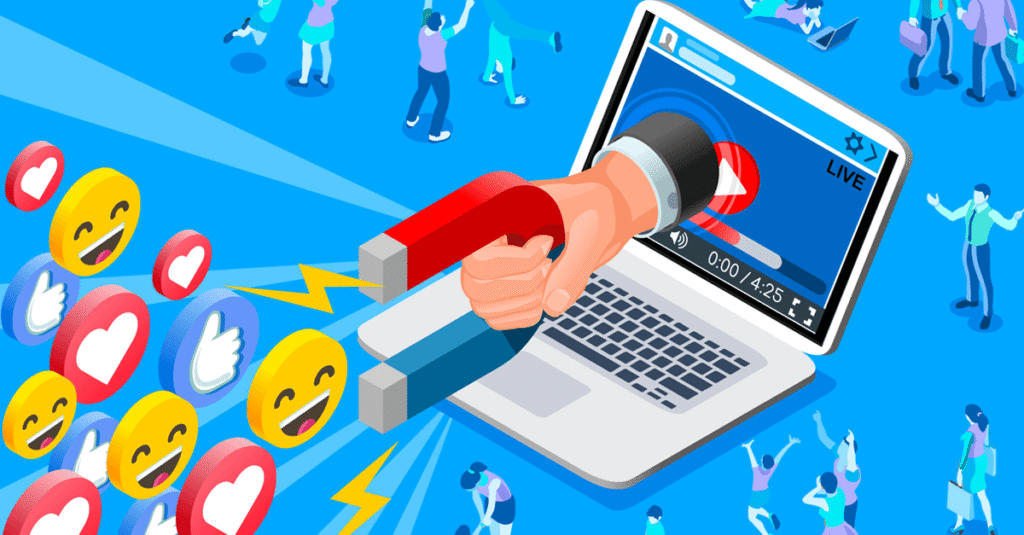
Psychology has a significant role in many social platforms. Social media platform designers strive to create designs that will increase user engagement through the use of reward systems. As a result of these reward systems, users of the platform tend to use the platform for longer periods. Feature creation by platform designers is driven by knowledge of behavioral science. The product of human attention has become a commodity.
Read more: Self-Awareness: knowing Your Emotions
Conclusion
Social media has become an integral part of how we interact with each other today.
Social media affects how we think, feel, and interact with others in our daily lives.
Understanding psychology is essential to understanding how social media will affect our futures.
Through our experiences and exposure to social media, our behaviours are constantly changing.
By consciously using social media, we will foster healthier relationships between ourselves and others.



Leave a Reply