
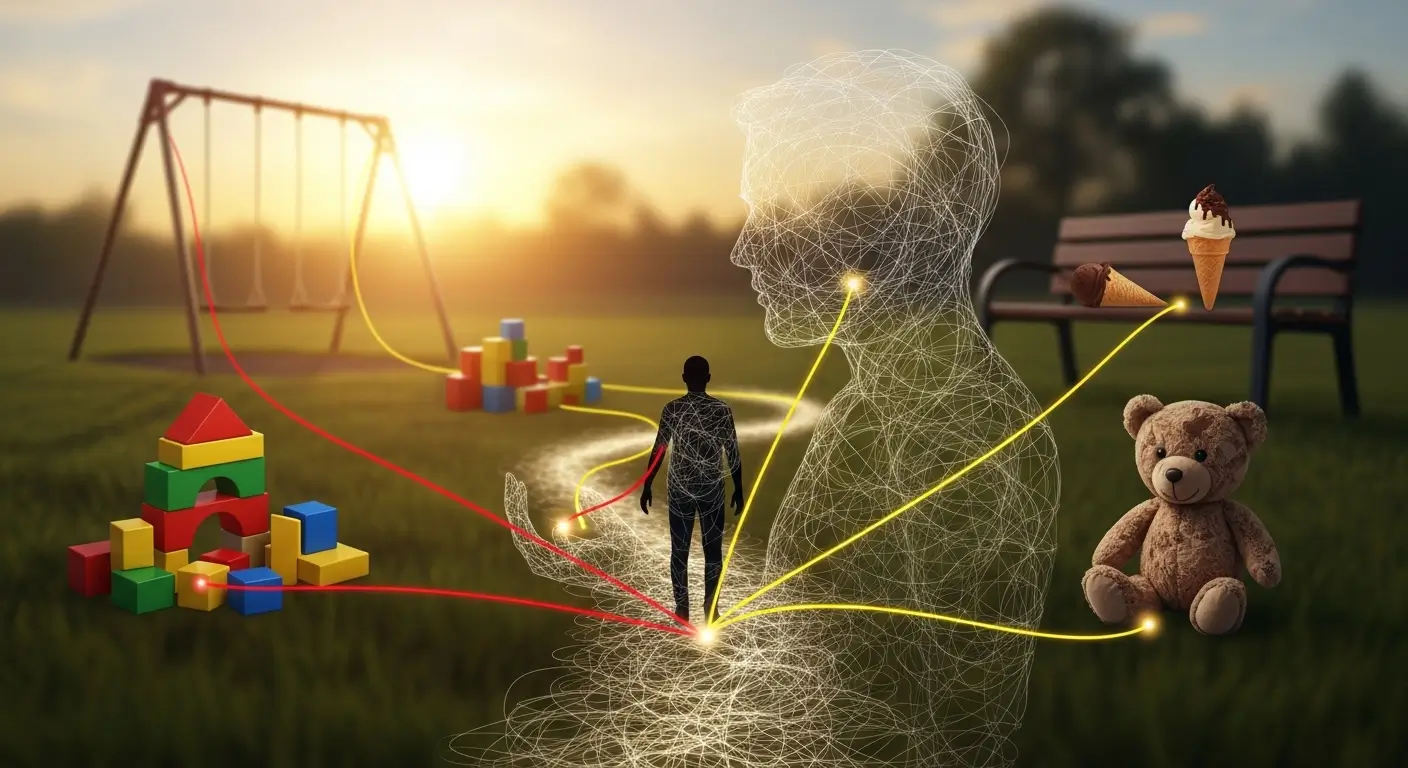
Did you know?
Did you know that by the time we’re 5 years old, just about 75% of the human brain has already developed? Do overall childhood experiences have a major impact on how we feel, act, and think as adults? Does being exposed to stressful experiences during childhood increase the likelihood that we will be anxious as adults by more than 40%? All of this reinforces that the early years of life can have significant impacts on emotional and psychological development.
Childhood lasts forever.
Childhood does not come to an end in the past; rather, it continues to affect how we act in the present and future. Childhood experiences shape the formation of thought processes, feelings, and behaviors. These experiences form the basis of the way that we will respond to and treat ourselves and others throughout our entire lives. Therefore, understanding what happened during our early years of life becomes an essential part of personal development.

Experiencing the World Creates Brain Development.
The period from birth until the age of 12 is one of the greatest periods of rapid brain development. The daily experiences and emotions that occur during these years determine how our neurons will connect. Positive events build neurons that have strong connections to one another, while negative events create circuits in our brain that are focused on fear. Early life experience establishes the foundation for how our brain will function in regard to our future behavior.
Neuroscience research shows that through repetition of experiences, brain structures are altered. Environments that provide comfort and safety allow individuals to develop emotional regulation and cognitive ability. While environments that are fearful lead to developing behavioral patterns based on fear, which become automatic behaviors used in adult life without conscious choice.
Children Thrive on Emotional Safety
Emotional safety is crucial for children’s healthy development.
When children are nurtured by families, they gain trust in themselves. Positive remarks promote self-confidence and self-esteem.
Negative feedback disrupts the equilibrium of the emotional well-being. Therefore, many adults will face self-doubt during their lives.
Psychiatrists use attachment theory to demonstrate the above process.
Children who have secure attachments develop a base of emotional stability that helps them when they become adults.
Children who have insecure attachments grow up fearing rejection and feel that a part of their life is missing or absent.
This fear creates instability and a high stress level in their relationships with family and friends.
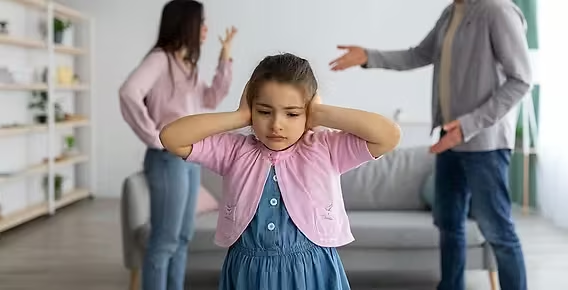
The Effects of Trauma on Adult Behavior
Trauma has impacted an adult’s behavior significantly.
Examples of childhood trauma are abuse, neglect, and loss.
The adult nervous system continues to function as if it were in dangerous situations, even when the adult is calm.
As such, an adult who has suffered trauma will respond excessively to small issues.
Statistics suggest that adults who have experienced childhood trauma are 3 times more likely to experience depression.
Moreover, studies reveal trauma is associated with problems in trust and anger.
To ensure future emotional health, it is important to work through childhood traumas as soon as possible.
Parental Influence on Personality Development
Through daily interactions, parents play a large role in shaping their children’s behaviour.
The authoritative approach to parenting promotes both independence and self-discipline.
Conversely, the authoritarian approach to parenting often instills fear of punishment and teaches obedience only.
On the other hand, children raised with an overly permissive approach may develop inadequate boundary-setting skills.
Consequently, the rules that children learn in their younger years create the basis for the decision-making skills used throughout adulthood.
Psychological research supports the idea that parenting patterns are consistent across generations.
Children learn to behave like their parents by watching them behave; later, these behaviours become so ingrained that they happen automatically.
As a result, these behaviours will continue to be passed down through successive generations.
Read more: Social Media & Science of Human Interaction
Development of Emotional Regulation in Childhood
Children learn how to regulate their emotions through watching and imitating the emotional responses of adults.
Parents who have control over their own emotional responses exhibit calmness versus parents who exhibit angry behaviour; therefore, a calm parent serves as a role model for appropriate methods of regulating one’s emotions.
Parents’ use of emotional suppression and/or displays of explosive anger towards their children will teach those children similar responses to their emotions.
As such, children consistently model these types of behaviours, creating habitual emotional responses to their emotions.
Research on human behaviour supports the notion that the process.
How School Experiences Influence Social Behavior
Being bullied causes emotional scars that last for years.
Encouragement leads to developing leadership capabilities through improving communication skills.
When we are rejected, our trust in social situations is damaged.
Research indicates that children who were bullied experience an increased rate of anxiety in adulthood (50% higher).
Having good school support can reduce adult fear of social situations.
As a result, school affects more than just academic achievement.

Fear and Survival Responses Remain Active
Fearful childhood environments condition survival thinking.
Children are trained to remain alert and defensive.
Later, adults have difficulty with relaxation and trust.
Consequently, peace becomes strange and dangerous.
Behavioral psychology understands this reaction well.
The brain values survival over reason.
Therefore, emotional responses dominate rational thinking.
Love Patterns Start Early
Childhood love patterns influence adult relationships.
Stable love patterns lead to secure attachment styles.
Unstable love patterns lead to emotional confusion.
Later in life, adults tend to repeat love patterns.
Statistics show 60% of adults tend to replicate parental love patterns.
Understanding can help adults break unhealthy emotional patterns.
Thus, reflection is important for better future love patterns.
Childhood Influences Work Patterns
Work patterns are influenced by childhood lessons about responsibility.
Encouraging homes instill motivation and confidence.
Critical homes instill fear of failure.
As adults, perfectionism can mask childhood feelings of insecurity.
Research on human behavior shows a link between childhood praise and adult success.
Healthy homes instill resilience.
Thus, childhood influences career success patterns.
Read more: Psychology of Habits: How They Control Life
Breaking Negative Cycles in Childhood
Breaking cycles is not an easy task.
Self-analysis is an effective way to recognize negative patterns.
Emotional intelligence helps develop positive ways to cope.
Emotional support networks help in emotional healing.
Research indicates that therapy increases positive emotional regulation by 70%.
It is easier to make changes with professional help. Therefore, personal growth remains possible.
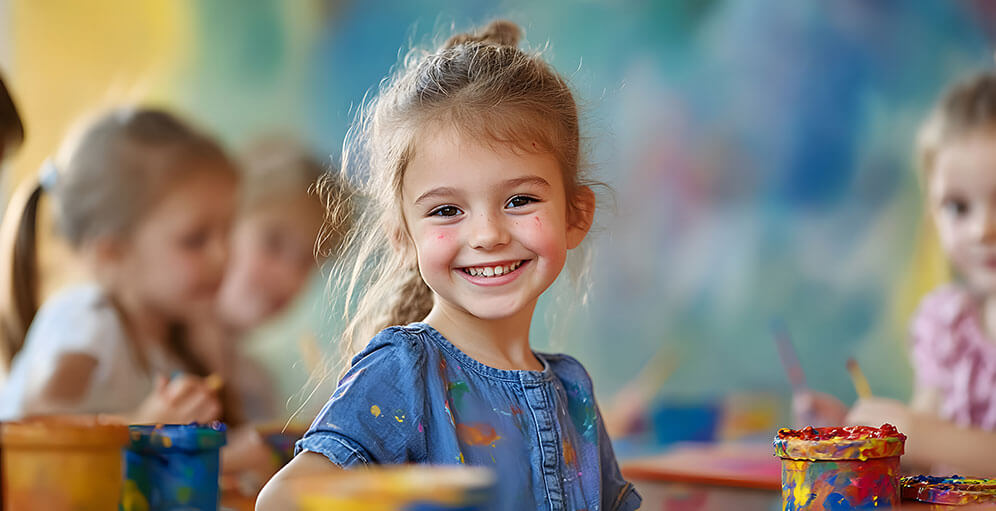
Positive Childhood Experiences Build Strength
Positive childhood experiences help develop emotional strength and empathy.
Secure environments foster creativity and confidence.
Well-cared-for adults are better at dealing with stress.
Thus, kindness helps build emotional strength.
Research on human behavior supports the fact that emotional warmth enhances mental well-being.
Healthy childhood experiences lower the risk of adult anxiety.
Thus, childhood care is invaluable.
Conclusion: Childhood Shapes, But Does Not Define.
Childhood has a strong influence on adult behavior.
But it does not dictate destiny for all eternity.
With awareness comes growth and healing.
Personal change is always possible with effort and help.
Understanding childhood is the key to understanding adult behavior.
Learning to love yourself promotes emotional healing.
Healing begins with understanding yourself.



Leave a Reply