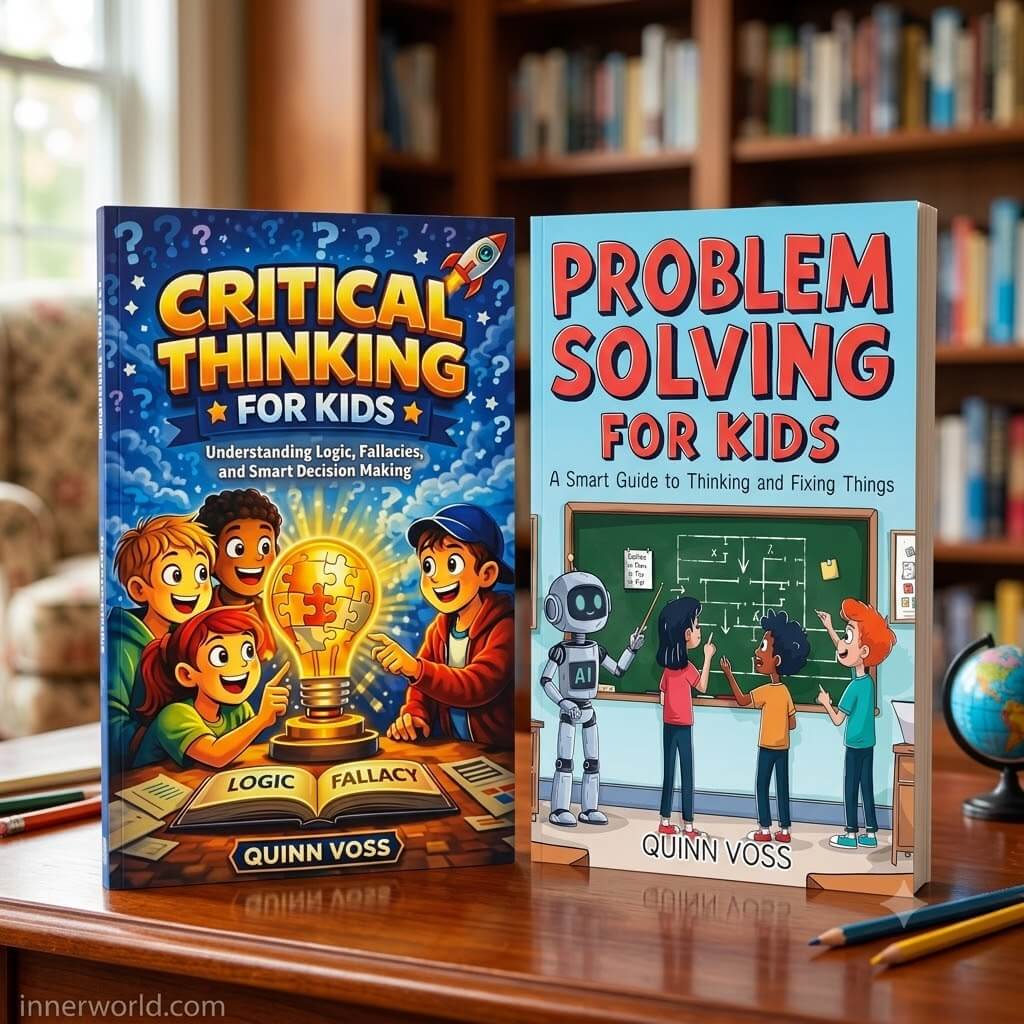
Parenting does not come with a cheat code. But your child’s brain does. Imagine them spotting a lie in a TV ad instantly. Think about them crushing a school debate without breaking a sweat. That secret genius is already in there. It just needs to be activated. We found the ultimate two-book strategy guide to unlock it. Let’s look at the stats.
Book 1: Critical Thinking for Kids: Understanding Logic, Fallacies, and Smart Decision Making
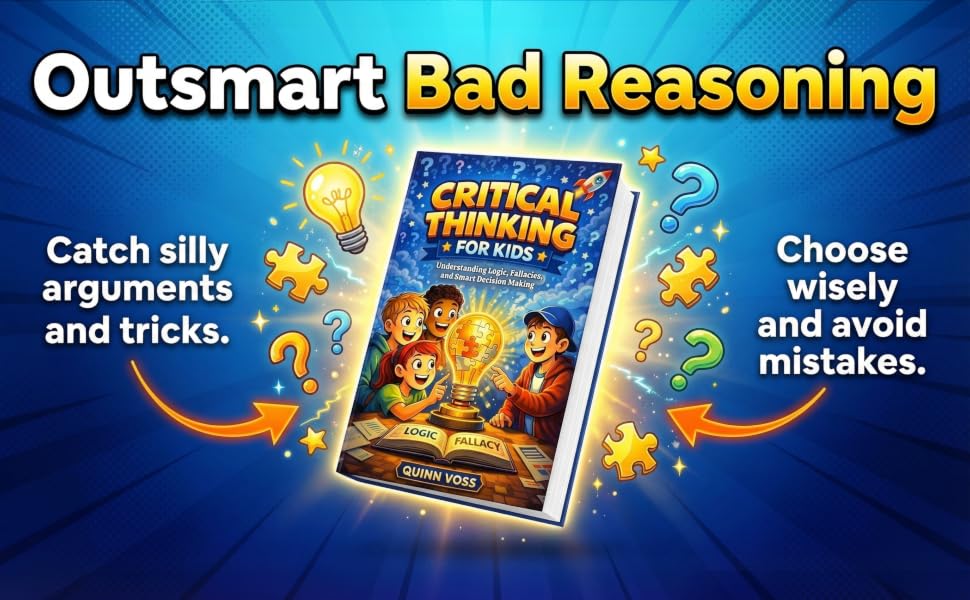
Young people face a constant wave of information today. Social media streams directly into their pockets. Friends constantly share rumors at school. Siblings shout wild claims during playtime arguments. Sadly, most kids accept these statements without a second thought.
Consequently, they make choices based on pure emotion. They follow the crowd blindly. This habit leads to poor choices in school and life.
Fortunately, author Quinn Voss offers a wonderful solution in his first volume. This guide targets young readers directly with fun lessons. Hence, your family will love this amazing learning journey.
You can get the book here on Amazon: “Critical Thinking for Kids“
Outsmarting Bad Reasoning and False Arguments
The first book focuses heavily on logical fallacies. In simple terms, fallacies are just mistakes in thinking. People use these errors to win debates unfairly.
First, Voss clearly explains the famous “Straw Man” argument. This happens when someone misrepresents your words. Then, they attack the fake version of your point.
Second, the author teaches the “Ad Hominem” trap. This occurs when an opponent attacks a person instead of their idea. Kids learn to spot this mean trick instantly.
Third, the text covers the classic “Slippery Slope” mistake. This error assumes that one small step always leads to complete disaster. Voss breaks down thinking mistakes with great skill.
Mind-Bending Fact: Here is a wild fact that will bend your mind. Human brains naturally prefer bad arguments over cold facts because shortcuts save biological energy. Voss actually builds his lessons around this exact evolutionary flaw. He trains kids to override their lazy brain defaults.
Why Visual Learners Will Rejoice
Many textbooks look dry and boring to young readers. However, this publication includes custom illustrations for the logic section. Every single drawing brings a concept to life vividly.
For instance, the graphics show funny characters making silly points. Children see the physical representation of flawed arguments. This visual style keeps engagement levels incredibly high.
Furthermore, the pictures build strong mental associations. Young minds remember the drawings during real-life debates. This creative approach makes logic highly accessible.
Book 2: Problem Solving for Kids: A Smart Guide to Thinking and Fixing Things (Logic Mastery)
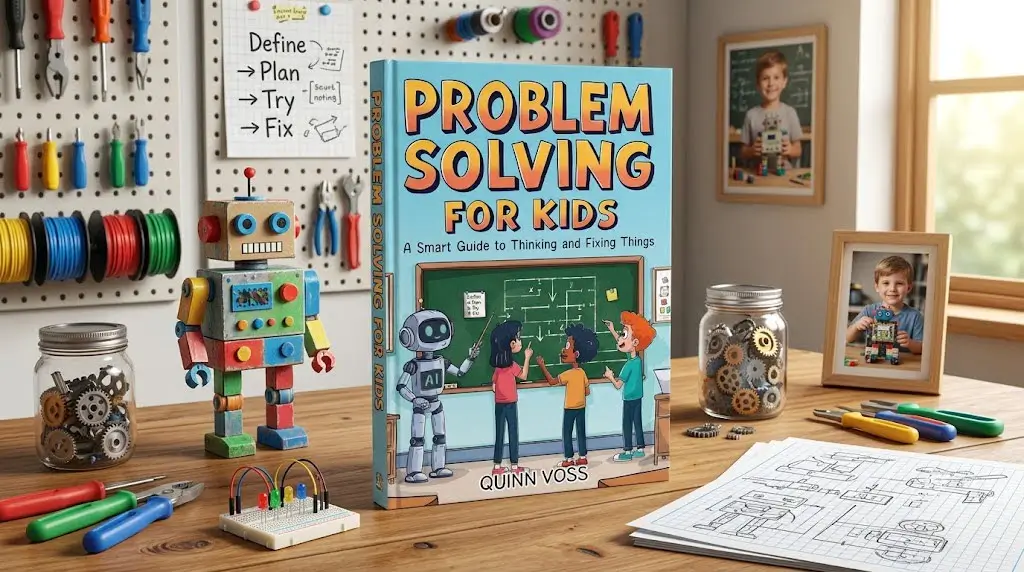
This book shifts the focus deeper into everyday problem-solving. Making big choices can feel overwhelming for children. They often struggle with peer pressure and strong emotions.
Initially, this second volume teaches kids to pause before acting. Reflection helps separate feelings from cold facts. Afterward, the text introduces a simple step-by-step choice model.
Next, Voss teaches readers how to weigh pros and cons. Young readers learn to predict future outcomes of current actions. This habit prevents major regrets later in life.
Finally, the guide covers the danger of thinking traps. Children learn about confirmation bias in an easy way. They discover how expectations change reality.
You can get the Book here, on Amazon: ” Problem solving for kids“
Brilliant Interactive Features That Kids Love
This companion book stands out because it includes fantastic interactive practice games. Readers do not just sit and consume information passively. Instead, they actively test their knowledge throughout the chapters.
First, short quizzes challenge their memory at key points. Second, realistic scenarios mimic actual schoolyard discussions. Children must spot the hidden thinking mistakes in these stories.
Third, the book provides clear answer keys for guidance. These elements turn study time into an entertaining game. Your child will eagerly turn every single page.
Mind-Bending Fact: Studies show that children believe they make hundreds of independent choices daily. In reality, modern algorithm loops pre-program ninety percent of those decisions. This second book acts like a digital shield for your child’s autonomy. It uncovers the invisible strings that guide modern young buyers.
The True Secret Of Plain Vocabulary
Voss writes both guides with remarkable clarity from start to finish. He avoids confusing academic jargon completely in both books. Parents do not need an advanced teaching degree to help.
Instead, the books explain every concept using basic words. Complex ideas become simple bedtime stories. For example, logic feels like a detective game.
Consequently, kids as young as eight can read these guides independently. Teenagers will also find the content highly engaging. The author creates a perfect bridge between science and fun.
Read more: Book Review: Beyond The Horizon – The Perfect Space Guide
Real Life Benefits For Your Household
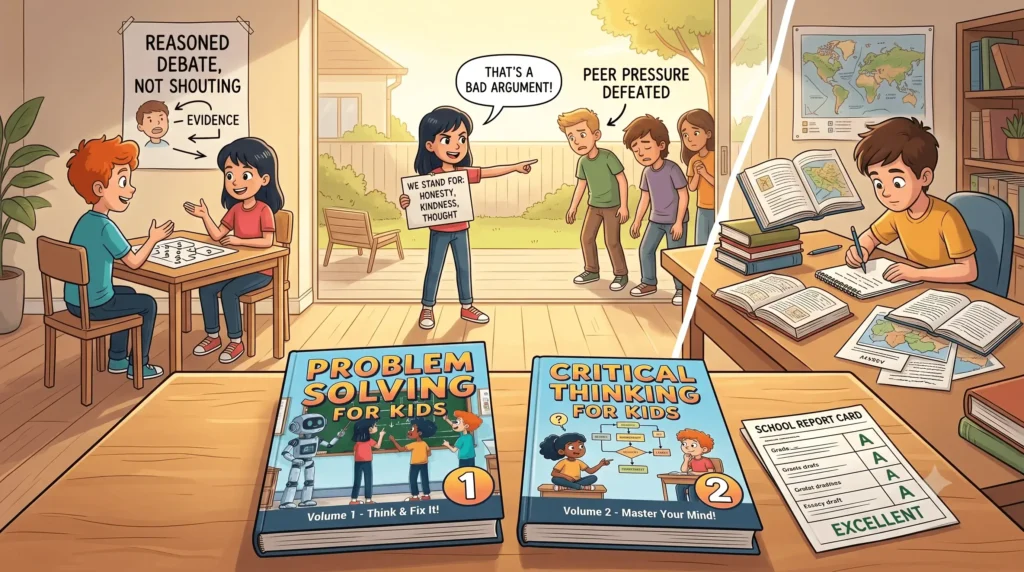
Investing in these two volumes creates immediate positive changes at home. First, sibling arguments become much quieter. Children stop shouting and start using real evidence.
Second, school performance improves significantly. Critical thinking helps with reading comprehension and essay writing. Third, peer pressure loses its power entirely.
Your child will recognize bad arguments instantly. They will confidently stand up for their own values. This independence is a priceless gift for any growing youth.
Weighing It All Up: Pros and Cons
Every educational book has its strengths and limitations. Let us look closely at what makes this two-in-one volume amazing, alongside a few things to keep in mind.
The Pros:
• Kid-Friendly Language: The book translates tough philosophy into easy, conversational storytelling.
• High Visual Appeal: Fifty custom illustrations per section keep children visually entertained and focused
.Real-World Scenarios: The examples mirror actual schoolyard situations that kids experience daily.
• Zero Parental Prep: Parents can relax because the text does all the heavy teaching work.
The Cons:
• Requires Independent Drive: Younger children around age eight might still need parental guidance to finish.
• No Digital Companion: The physical layout lacks an online interactive app for tech-loving kids.
My Final Review Verdict
These books are must-have additions to your home library shelves. They combine deep wisdom with joyful entertainment perfectly. Quinn Voss delivers an outstanding educational masterpiece for the modern world.
Therefore, I give both volumes a glowing five-star rating. Buy these books today to upgrade your child’s mind. You will love watching them grow into confident, smart leaders.
Affiliate disclaimer notice: This review contains affiliate links to Amazon. If you click on one of these links and make a purchase, I may earn a small commission at no extra cost to you. I only recommend books I truly believe add value to your life.