
Did You Know?
Did you know that Jeffrey Epstein was under serious criminal investigations for several decades before the final federal charges were brought against him?
It has been found that law enforcement agencies arrested Epstein in 2006 and in 2019 for sex trafficking offenses.
But in 2008, prosecutors signed off on a plea deal that has been widely criticized.
This deal enabled Epstein to escape serious federal charges for many years.
This led to a serious erosion of public trust in justice systems.
What the Epstein Files Contain
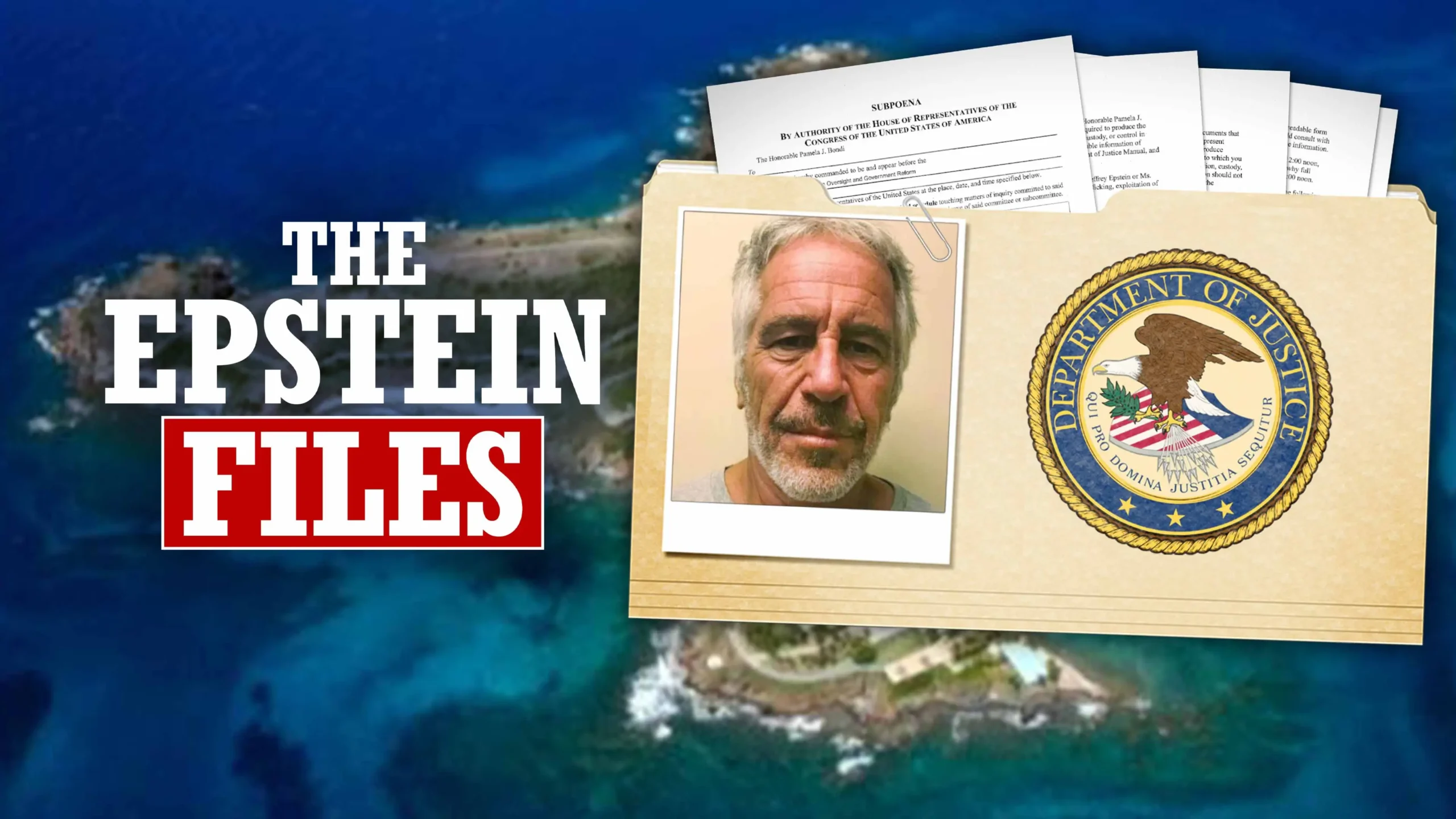
The Epstein files contain court papers, affidavits, flight logs, and released legal papers.
These documents were made available to the public through lawsuits, investigative reporting, and court releases.
It is important to note that these documents do not establish guilt by association or social connection alone.
However, the Epstein files have sparked concerns about institutional failures.
Who Jeffrey Epstein Was
Jeffrey Epstein was a rich financier with ties to high society.
He was known to associate with politicians, businessmen, and celebrities for many years.
However, later investigations showed that he was involved in long-term sexual abuse of minors.
He was charged with sex trafficking minors based on the accounts of several victims.
The accounts of the victims were the basis of the federal charges.
The 2008 Plea Deal Explained
The federal government was investigating Jeffrey Epstein before 2008 for serious trafficking charges.
However, Epstein struck a plea deal with the Florida authorities during the time of the investigation.
The plea deal resulted in reduced prison time and no federal charges.
Epstein only served thirteen months of the sentence, with most of the time spent on work release.
This resulted in widespread criticism of the plea deal.
Why the Plea Deal Caused Public Alarm
Victims were not properly notified about the plea deal process.
Federal charges temporarily went away because of prosecutorial choices.
Later reviews showed improper conduct in plea deal negotiations.
Leaders later admitted to severe procedural errors.
Public confidence in the justice system dropped dramatically.
The 2019 Federal Arrest
Epstein was arrested again in July 2019 for federal sex trafficking.
Federal prosecutors re-examined the case with a greater emphasis on victim statements.
The arrest received massive international media coverage.
Citizens demanded justice through trial hearings.
But the case came to a sudden close.
Epstein’s In-Custody Death
Epstein died in federal custody in August 2019 before trial hearings.
An internal probe declared the death a suicide.
Later reviews showed severe errors in prison security protocols.
Guards did not properly follow monitoring procedures.
Public distrust escalated significantly.
Why Elite Protection Became a Public Question
Epstein had been able to maintain his connections to power, wealth, and influence for several decades without any break.
The authorities had failed to prevent his activities earlier.
There was a breakdown of institutional systems at various points.
This happened systematically rather than sporadically.
As a result, the issue of elite protection became a public question.
Power, Wealth, and Social Access
Wealth is a source of high-quality legal counsel and social connections.
Power determines how institutions will react to charges and investigations.
Also, influence can act as a delaying factor in accountability procedures.
This is a universal phenomenon in the justice systems of the world. The Epstein affair brought this reality into sharp focus.
Statistics Illustrate Inequality
Research shows that wealthy defendants tend to have better legal outcomes.
Income is related to bail and sentencing.
Well-connected defendants are less likely to be jailed before trial.
These inequalities contribute to a lack of trust in the fairness of the system.
The Epstein case brought attention to this issue.
Media Coverage and Public Perception
The media coverage of the Epstein case influenced public perception.
Constant coverage led to increased anger and emotional response.
But a lack of complete information led to confusion.
Also, rumors spread faster than facts.
Hence, emotion led to reaction, rather than careful consideration.
Psychology of Trust and Betrayal
Trust is the basis for social order and system legitimacy.
When systems are not functioning, individuals experience betrayal.
Betrayal is related to anger and distrust, according to psychologists.
So, the public outrage is a result of this process.
The Epstein case brought about public distrust.
Cognitive Dissonance and Power
It is difficult for people to believe that powerful people can be guilty of serious crimes.
The mind rejects the idea of conflicting beliefs by experiencing cognitive dissonance.
Moreover, discomfort prompts people to find simple answers.
Protecting the powerful provides an easy explanation.
Hence, the notion spreads rapidly.
Donald Trump and Epstein
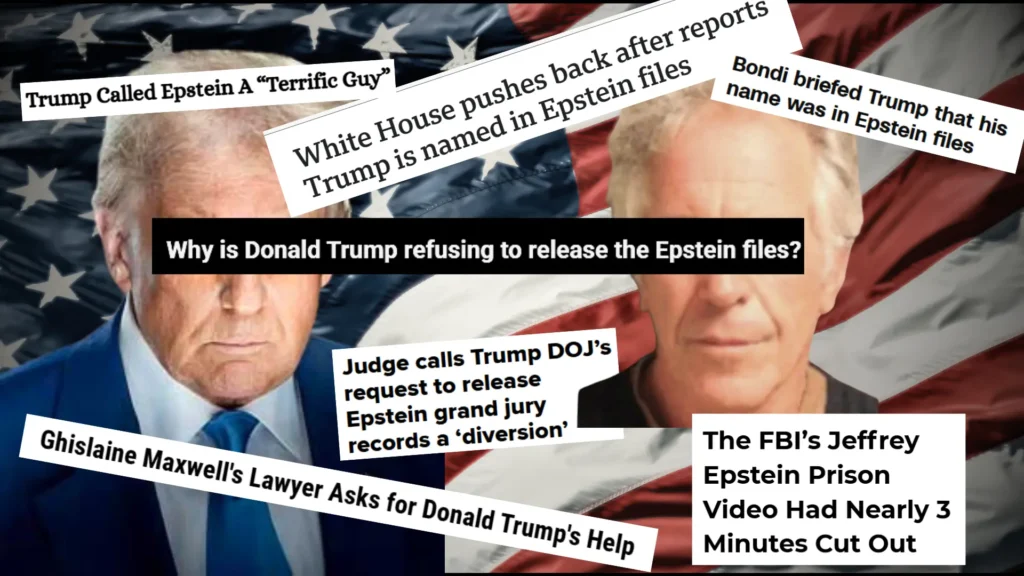
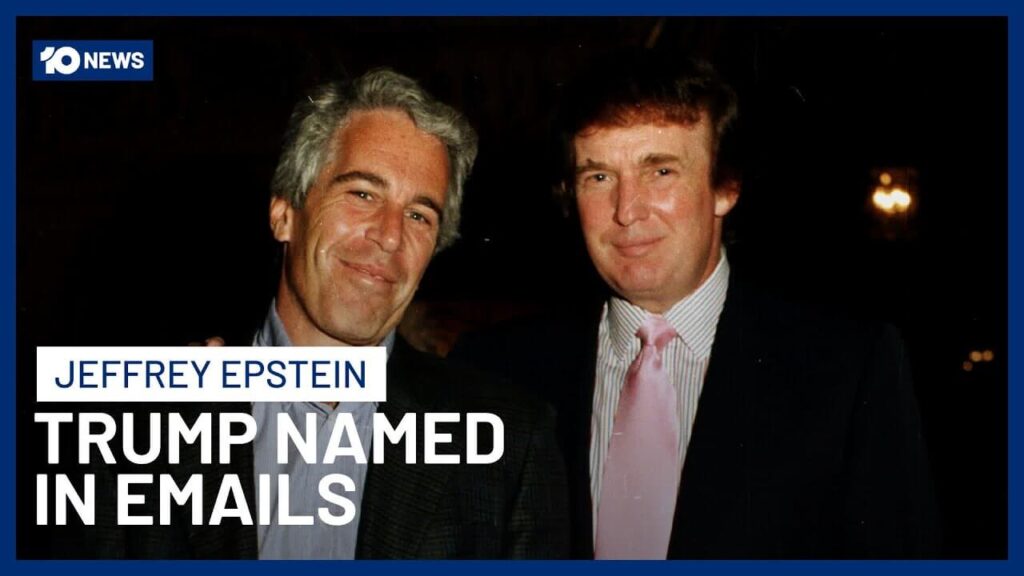
There were public pictures of Trump and Epstein in social situations from earlier years.
Trump later claimed he had cut ties with Epstein.
There were records of Trump banning Epstein from Mar-a-Lago.
Trump’s name is not on flight records.
Trump was never charged in connection with Epstein.
Read more: Align Your Outer World with Your Inner Truth
Bill Clinton and Epstein
Clinton’s name appears on the flight logs of Epstein’s private jet.
Clinton admitted to previous contact in connection with foundation business travel.
He denied any knowledge of Epstein’s criminal activities.
Clinton was never charged with any wrongdoing.
There are no formal allegations.
Other Public Figures Involved
Politicians, businessmen, and celebrities are referred to in documents as a result of contact or meetings.
This does not imply guilt or criminal liability.
There must be direct evidence for prosecution.
Responsible journalism draws attention to this difference.
Hence, assumptions are still risky.
Read more: Mysteries of the Green Atmosphere Unveiled
Picture Credits: 10 News
Epstein’s Private Island
Epstein owned Little Saint James Island in the U.S. Virgin Islands.
He bought the island in 1998 and restricted access.
Later, he bought the adjacent Great Saint James Island.
Also, the victims claimed abuse happened on the island.
Hence, the authorities searched the island.
Psychology of Secrecy and Isolation
Secrecy and isolation make it difficult to monitor and hold accountable.
Psychologists associate secrecy with the potential for abuse.
Isolation creates a power imbalance.
Also, unmonitored power allows for abuse.
So, the island was symbolic.
Why Questions Still Remain
Epstein died before the trial was over.
There was no final judgment.
Humans do not like unanswered questions.
There is suspicion without answers.
Psychology is the basis for the unanswered questions.
Final Thoughts
The Epstein files revealed institutional failures and accountability gaps.
They raised legitimate concerns about power and justice.
Psychology explains public reaction patterns.
Human behavior seeks meaning during uncertainty.
Hence, only transparency restores trust.



Leave a Reply