

Did You Know?
More employees are opting for flexible careers instead of the traditional way of working. Approximately 28% of knowledge workers are freelancers, and this rate increased at a much faster pace in the past few years. The traditional career path was expected to provide job security, but it no longer does. Individuals are questioning their career objectives. They may wonder if the traditional career path is suitable for the current lifestyle.
What Does “Traditional Career” Mean?
A traditional career path was associated with job commitment. Individuals are committed to a particular job for several years. In return, they received salary increments, benefits, and promotions. However, this concept appears to be outdated. Employees want independence, flexibility, and development. They now want a life balance instead of a lifetime job.

Why People Question the Old Model
Traditional employment typically involves rigid schedules and guidelines. Employees must work at fixed times. They must finish at fixed hours. Many jobs require employees to be physically present, even if they could work from home. Similarly, traditional employment typically involves rigid hierarchy and approval processes. This can stifle creativity and innovation. Many employees feel stuck in their slow-moving career paths.
The Emergence of Freelancing and Portfolio Careers
Freelancing is no longer a trend. It has become a significant movement. Freelancers now comprise a significant number of the workforce. This type of employment provides flexibility and autonomy. Employees get to choose their schedules, clients, and projects. They also develop their own personal brands and expertise.
Research indicates that the freelance industry may exceed $8.39 billion by 2025. Many freelancers earn higher salaries than in traditional employment. As a result, more employees view flexible employment as a serious and viable alternative.
Flexibility Trumps the 9-to-5
The traditional 9-to-5 work schedule seems old-fashioned. It doesn’t suit the work patterns of all individuals. Remote and hybrid work arrangements bring flexibility to people’s lives. Employees can choose to work at times when their energy levels are high. Parents can easily manage work and family responsibilities. At the same time, artists have time for concentration and flow. The trend towards abandoning the traditional office culture reflects the need for work that honors personal life.
Job Security Is No Longer Guaranteed
Traditionally, many individuals thought that traditional employment guaranteed job security.
Automation, economic changes, and layoffs have reduced job security. Employees have to face uncertainty and unexpected changes. Companies substitute workers with technology or change job descriptions. Therefore, the traditional guarantee of job security seems like a myth.
Skills Are More Valuable Than Degrees
A degree was the key to unlocking a career. Now, skills are more valuable. Employers want people for their skills, not their degrees. Skills such as digital competency, communication, and problem-solving are now more valuable than a degree. Moreover, micro-skills and online courses have made learning easier. Employees can learn quickly and change their career paths easily. So, this change makes the traditional career path seem too constricted.
Why Employees Feel Burned Out
Employees feel burned out and exhausted. They work for long hours with little personal gain. The hustle culture used to celebrate working long hours. Now, burnout is recognized as negative, not positive.
Also, burnout causes stress, exhaustion, and a lack of meaning. Ultimately, employees begin to ask more profound questions:
“Does my job make me happy?”
“What is the point of giving my life to my job?”
Psychology: The Search for Meaning
Psychology shows us that humans are searching for meaning and purpose. Work used to give people a sense of identity. Today, work must be in line with values. Individuals who feel unconnected in their work lives feel empty or lost. Also, they feel anxious, unmotivated, or depressed. If there is no growth or connection in work, the mind is unhappy. Hence, this impacts mood and mental health significantly. So, individuals leave their jobs not only for financial gain but for peace of mind.
Human Behavior and Work Values
Human behavior shifts with life experiences. Younger generations value work-life balance and growth. Today, Gen Z and millennials look for work that supports their well-being. They do not accept toxic work cultures and rigid hierarchies. Many individuals look for work that gives them autonomy and purpose. They want work that is personal and meaningful to them. Hence, this is more than just good business sense. It is about human needs for contribution, belonging, and self-worth.
Mental Health and Career Choices
Mental health awareness has increased globally. More individuals are aware of the impact of work on mental health. Conventional careers do not provide support for mental health. High stress, long hours, and a lack of control can impair mental health.
Therefore, employees are now demanding healthy workplaces. They are looking for careers with positive cultures and flexible boundaries. Therefore, the changing field of psychology is determining the future of work.
Economic Factors at Play
Economic factors are also driving career choices. Many conventional careers are no longer lucrative compared to the cost of living. However, some freelance careers are more lucrative than conventional salaries. Freelancers in the digital industry, marketing, programming, and design earn higher salaries. Employees are no longer willing to work for low salaries and long hours with no benefits. So, they are looking for careers where work and reward are fair.
Technology and Automation
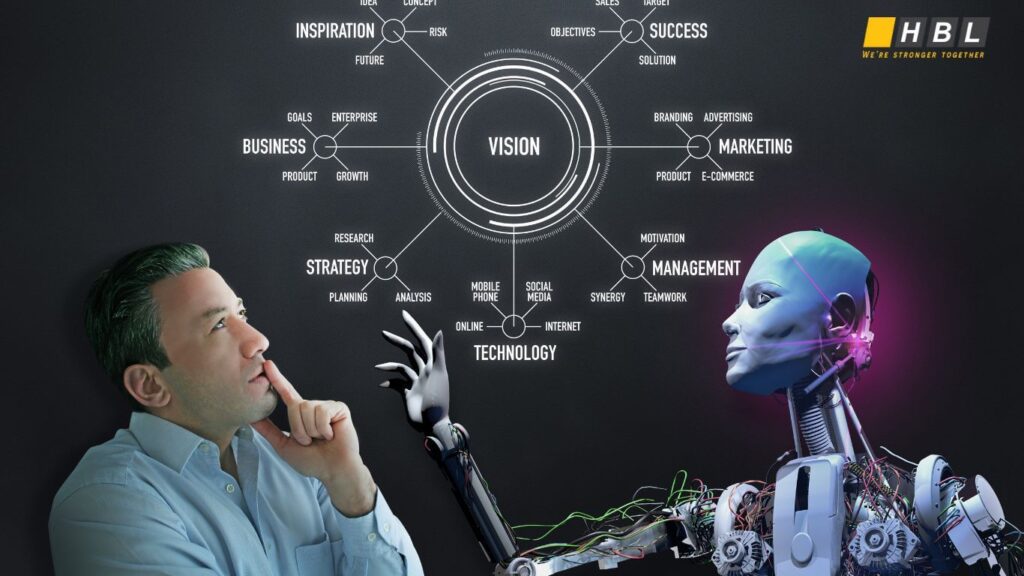
Technology is changing the job market. AI and automation are now doing many routine jobs. This means that some traditional jobs are now insecure. However, technology is also opening up new possibilities. Also, there are now more jobs in digital technology, remote work, and creative industries. Thus, this means that the future of work is all about adaptability and lifelong learning.
Employees Embrace New Career Paths
Employees no longer have one job for life. Instead, they are creating portfolio careers – a combination of jobs, freelance work, and entrepreneurship. This approach provides freedom and opportunities. Employees now have diverse experiences and the ability to control their lives.
Most importantly, this is a sign of a paradigm shift in values. Hence, employees want jobs that fit their life, not a life that fits their job.
Read more: Social Media & Science of Human Interaction
The Role of Personal Growth
Traditional jobs tend to emphasize titles and prestige. However, in modern times, people tend to emphasize growth and mastery. So, self-discovery has become an integral part of career development. Employees are encouraged to discover what they really love. Hence, they are encouraged to work on their skills, emotional intelligence, and personal fulfillment.
Humans Crave Autonomy
Autonomy is a fundamental psychological need. Lack of autonomy in work leads to a lack of motivation. Also, research shows that autonomy leads to increased creativity and happiness. When people can create their own way, they feel more alive. Therefore, the need for flexible and autonomous careers becomes more attractive.
Read more: Psychology of Habits: How They Control Life

The New Career Compass: Happiness over Status
Many people quit their jobs in search of happiness. They opt for balance over status. Some people pursue passion projects. Others start businesses or help others. This new trend indicates that work is no longer just about making money. It is about happiness, identity, and personal development.
The future of work will emphasize human skills over structured jobs. Creativity, empathy, and self-direction will trump structured career paths. In addition, the future will demand flexibility and a lifelong learning attitude. Hence, this new trend defies traditional norms. However, it also presents an opportunity for people to find their deeper purpose.
Final Thoughts
The traditional career path is no longer attractive because it does not meet the needs of modern humans. People are looking for flexibility, meaning, and autonomy. Ultimately, they are interested in mental health, personal growth, and finding their purpose. Technology and values are driving this change.


Leave a Reply